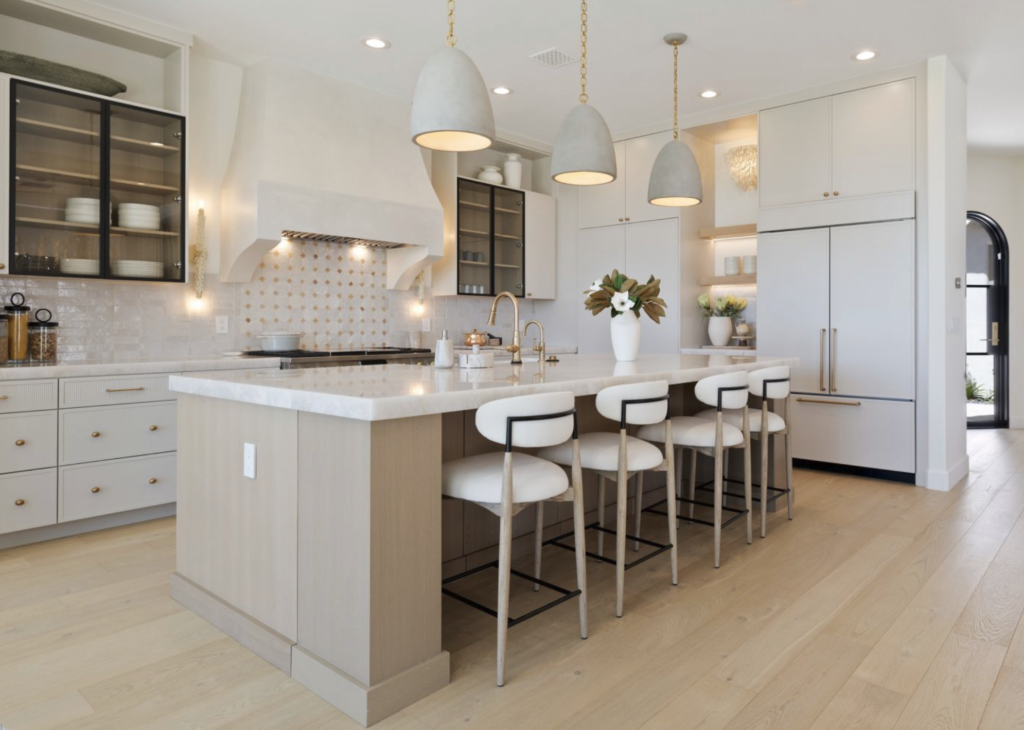
Luxury in the kitchen has often been associated with what immediately captures attention: a dramatic range, richly figured wood, a distinctive cabinet finish or a statement stone surface.
Those elements still matter. But the newly released NKBA 2027 Kitchen Trends Report points to another form of luxury: a kitchen that quietly manages the practical demands of daily life.
According to the report, 85% of designers say cabinetry is increasingly being used to conceal appliances and other functional elements. At the same time, 64% believe open shelving is giving way to enclosed storage.
Homeowners still want kitchens that work hard. They simply do not want to see every appliance, package and daily task competing for attention.
From Display to Visual Calm
Open shelving helped create lighter, more informal kitchens and gave homeowners a place to display meaningful objects. But it also required everything on those shelves to become part of the design.
The shift toward enclosed storage does not mean kitchens must feel heavy or closed. It reflects a growing preference for greater control over what remains visible.
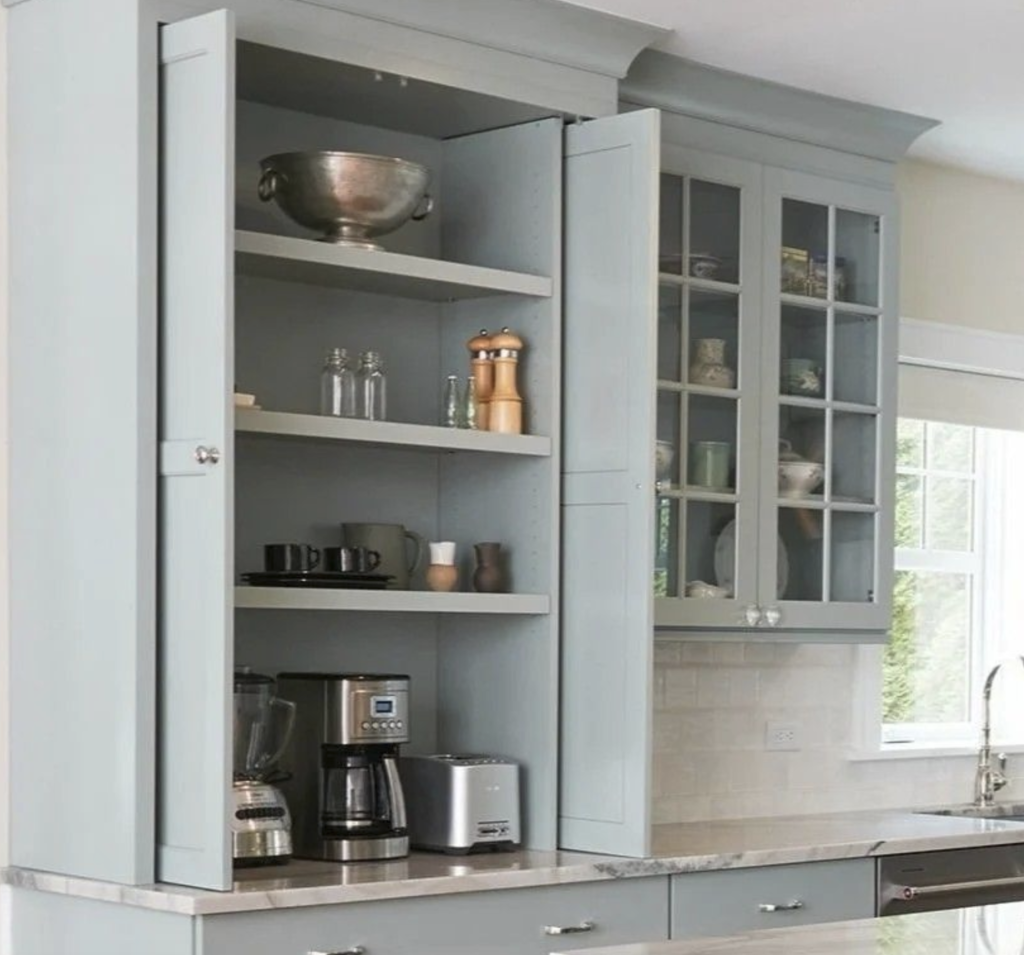
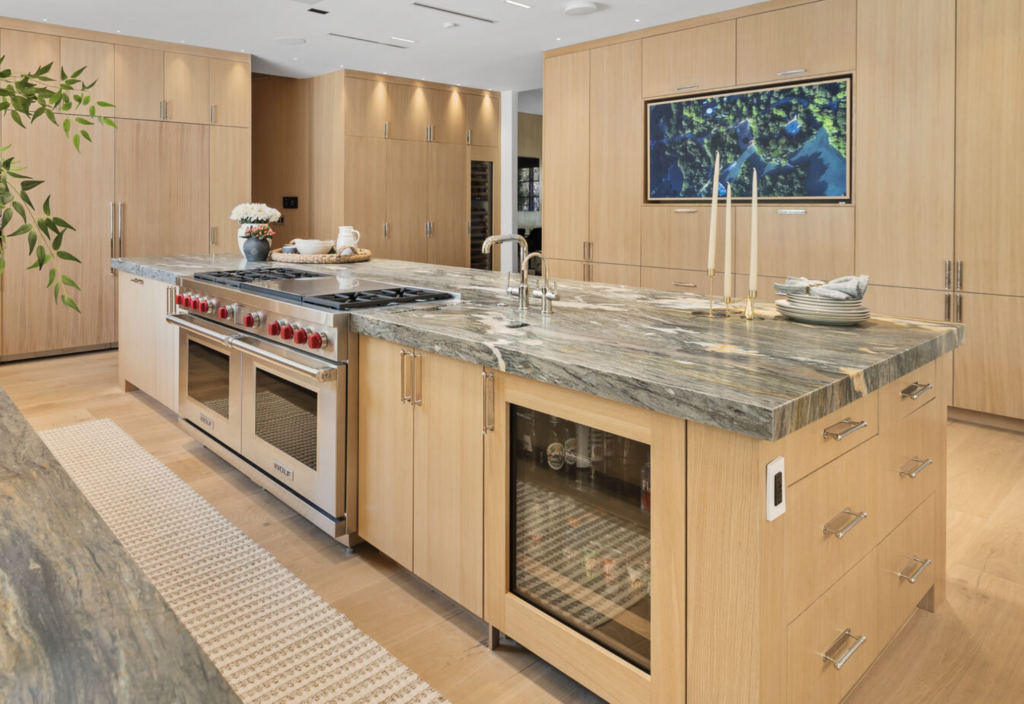
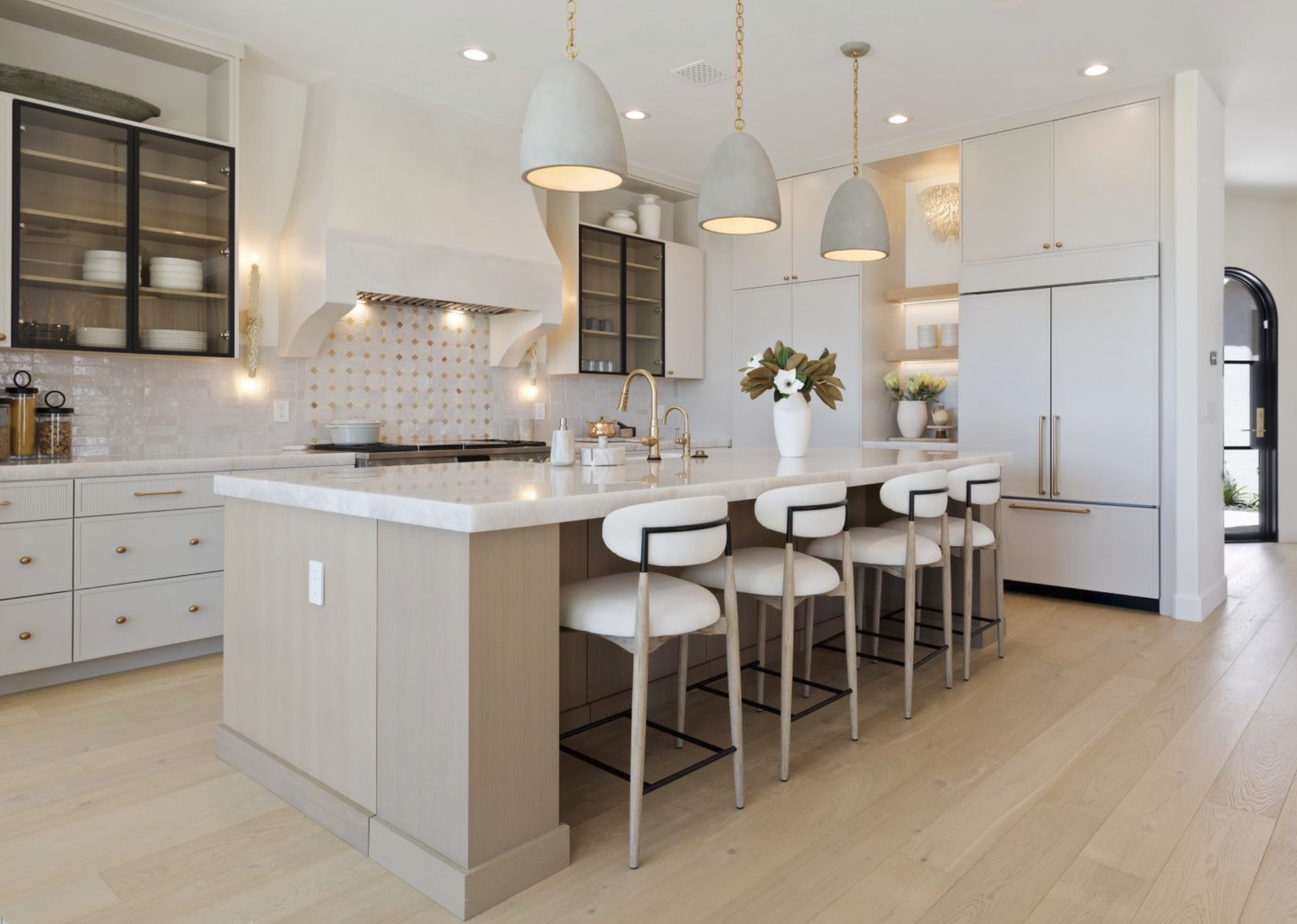
Cabinetry can conceal the items homeowners use every day while preserving a calm, cohesive environment. Small appliances can remain accessible behind retractable or pocket doors. Refrigeration can be integrated into surrounding cabinetry. Charging areas, recycling centers and food storage can be planned into the room without becoming its visual focus.
The result is not an empty kitchen. It is a kitchen where function has been carefully considered.
The Pantry Is Taking on a Larger Role
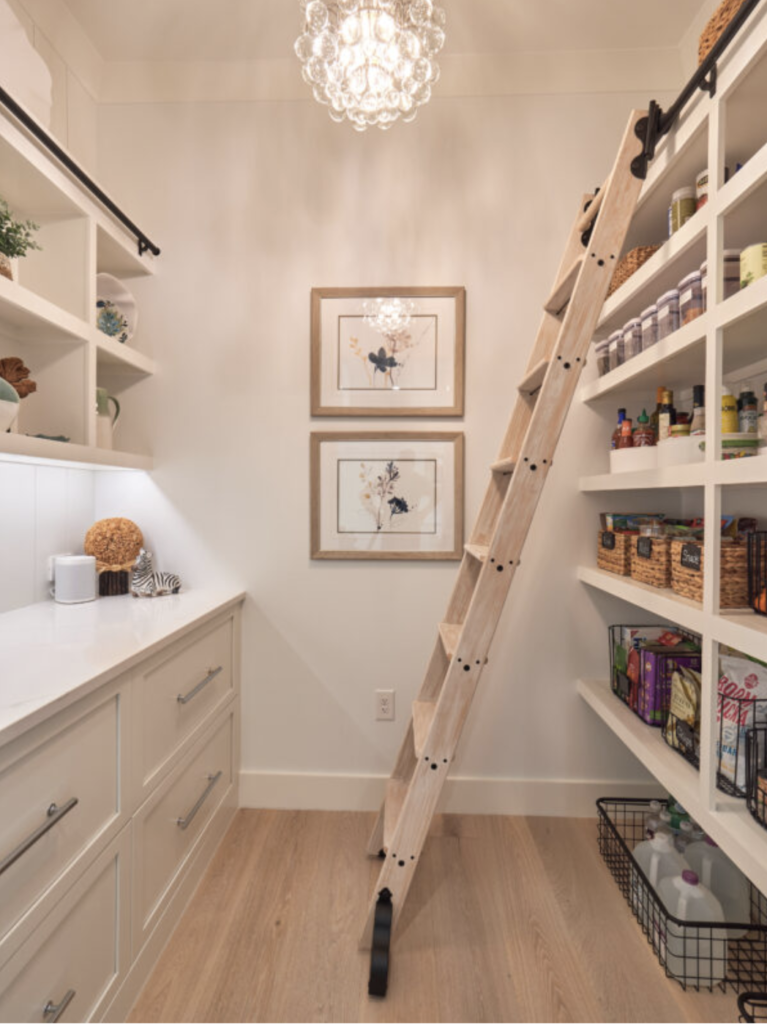
The pantry is also evolving beyond rows of shelves.
The NKBA report found:
- 88% of designers see pantries becoming multifunctional extensions of the kitchen
- 73% expect dedicated small-appliance stations to grow in popularity
- 67% expect walk-in pantries to remain a leading configuration
- 90% anticipate continued demand for dedicated beverage areas
These spaces can support activities that once competed for room in the main kitchen. Coffee preparation, baking, food storage and appliance use can move into dedicated zones, allowing the primary kitchen to remain more open for cooking and gathering.
A pantry might include countertop space, cabinetry, refrigeration, a sink or specialized storage. A beverage area may function as a morning coffee station and an evening entertaining destination. The best solution depends on the homeowner’s routines, available space and priorities.
Concealment Should Improve Access
Hidden function is only successful when it remains easy to use.
An appliance garage should not require a homeowner to move several objects before reaching the coffee maker. A panel-ready refrigerator still needs clear access and appropriate ventilation. Interior storage should reflect what will actually be stored rather than relying on generic accessories.
For designers, this means planning from the inside out.
Questions about cooking habits, shopping patterns, entertaining and daily routines can reveal which elements should remain visible, which should be concealed and where each function belongs.
Good concealment is not about hiding everything. It is about reducing visual noise without creating unnecessary steps.
Cabinetry Makes the Strategy Possible
Cabinetry plays a central role in creating this balance between visual simplicity and practical performance.
Door configurations, cabinet depths, interior accessories and custom modifications can transform otherwise unused areas into purposeful storage. Tall cabinetry can consolidate food and appliance storage. Integrated panels can create visual continuity. A thoughtfully designed hutch can reveal or conceal a beverage station depending on the time of day.
Because projects vary, designers also need cabinetry options that can respond to different spaces and levels of customization.
WoodHarbor Custom Cabinetry, Countryside Cabinets and Wellborn Forest each provide a distinct combination of design flexibility, product capabilities and support. Together, they give designers more ways to translate a homeowner’s routines into a cabinetry plan that feels personal and works naturally.
Designing a Kitchen That Feels Easier
The growing interest in concealed function reflects a broader change in what homeowners expect from the kitchen.
They want a beautiful room, but they also want relief from clutter. They want convenient access without leaving every appliance on display. They want storage, preparation and entertaining areas that support the way they live.
The next expression of kitchen luxury may not be one dramatic feature. It may be the experience of walking into a room where everything has a place, daily tasks feel easier and the practical work of the kitchen quietly disappears into the design.
Read the 2027 NKBA Trend Report article coverage on Woodworking Network:
https://www.woodworkingnetwork.com/cabinets/national-kitchen-bath-associations-2027-trends-report-signals-shifts-kitchen-design