Designing for Real Life: Why Personalization Is Reshaping Home Remodeling.
For years, one of the most common questions homeowners considered before remodeling was, “Will this add value when I sell?”
That question still matters but another is becoming increasingly important today… “How can this home work better for the way I want to live?”
More homeowners are choosing to remain in the homes they already have, and that longer-term mindset is changing the way they approach remodeling.
According to the 2026 U.S. Houzz Renovation Plans Report, 79% of homeowners planning renovations say they are choosing to renovate rather than buy because they want to stay in their current home. Forty-five percent consider their current home their “forever home,” and 62% expect to remain there for at least 11 years after renovating. Perhaps most relevant for the design community, 29% specifically cite wanting custom features as a reason to renovate rather than move.
When homeowners expect to live with their design decisions for years rather than simply appeal to the next buyer, personalization takes on a very different level of importance.
Designing Around the Homeowner, Not the Next Buyer
A home designed for resale naturally encourages broad appeal. Neutral choices, familiar layouts and universally accepted features can make sense when someone else may be living there in a few years.
Instead of asking what everyone might like, designers can dig deeper into what this homeowner needs.
- How does the family start its mornings?
- Where does clutter naturally accumulate?
- How do they cook and entertain?
- Do they work from home?
- What do they collect?
- What should be beautifully displayed and what should disappear?
- What colors, materials and finishes make the home feel personal?
- And how might those needs change over the next decade?
- Those questions create an entirely different design brief.
Personal and Purposeful Are Becoming Part of the Same Conversation
Recent design research suggests personalization isn’t limited to choosing a favorite color or finish.
Houzz’s 2026 Emerging Summer Trends Report, based on year-over-year search activity among U.S. homeowners, professionals and design enthusiasts, found growing interest in environments that feel “personal and purposeful.”
For the cabinetry industry, this creates an important opportunity.
Cabinetry occupies a unique intersection between design and daily life. It can change the visual character of a room while also fundamentally changing how that room functions.
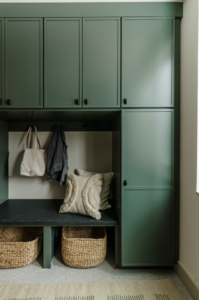
Personalization might mean a cabinet finish selected specifically to complement the architecture of the home but it can just as easily mean a drawer placed exactly where it is needed.
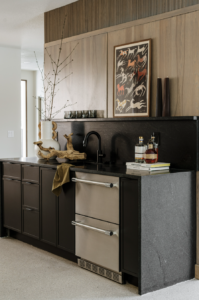
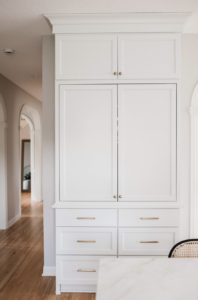
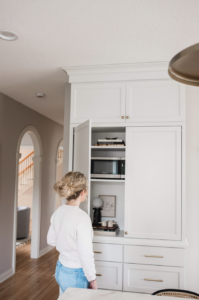
It could be an appliance garage that keeps a frequently used coffee maker accessible but out of sight. A baking center organized around a homeowner’s passion. A beverage bar designed for entertaining. A home office that conceals technology. A walk-in pantry that supports the routines of a busy family.
The opportunity extends to materials, wood species, finishes, door styles, architectural details, integrated lighting and hardware.
The more we understand about how someone actually lives, the more meaningful those cabinetry decisions can become.
Creating a Home Worth Staying In
The current remodeling market adds another interesting dimension to this conversation. If a homeowner expects to live with a kitchen for the next 10, 15 or 20 years, value isn’t simply the lowest initial cost.
Value can also mean craftsmanship that endures. Storage that continues to make life easier. Materials homeowners enjoy living with. A design that can adapt to changing needs. And a project experience that gives them confidence in a significant investment.
This is where we see tremendous opportunity for the cabinetry industry.
WoodHarbor Custom Cabinetry, Wellborn Forest and Countryside Cabinets each approach the market differently, from full custom luxury to flexible semi-custom cabinetry, giving designers and dealers different ways to translate a homeowner’s priorities into a finished space.
- Listen more closely.
- Understand how homeowners actually live.
- Give designers greater freedom to personalize.
- Create storage with a purpose.
- Use materials and finishes to tell a more individual story.
And think about cabinetry not simply as something selected for a room, but as something that can improve the experience of living in the home.
Because as more homeowners choose to stay where they are, the measure of a successful remodel changes from “What value did we add to the house?” to more of “How much better did we make it to live here?”
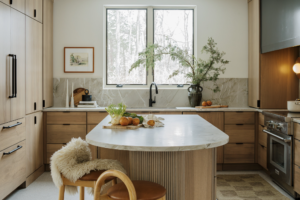
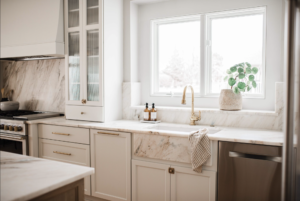
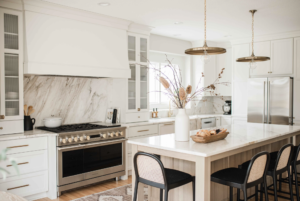
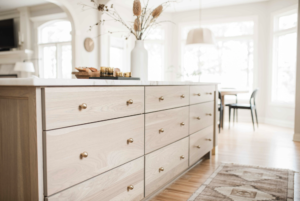
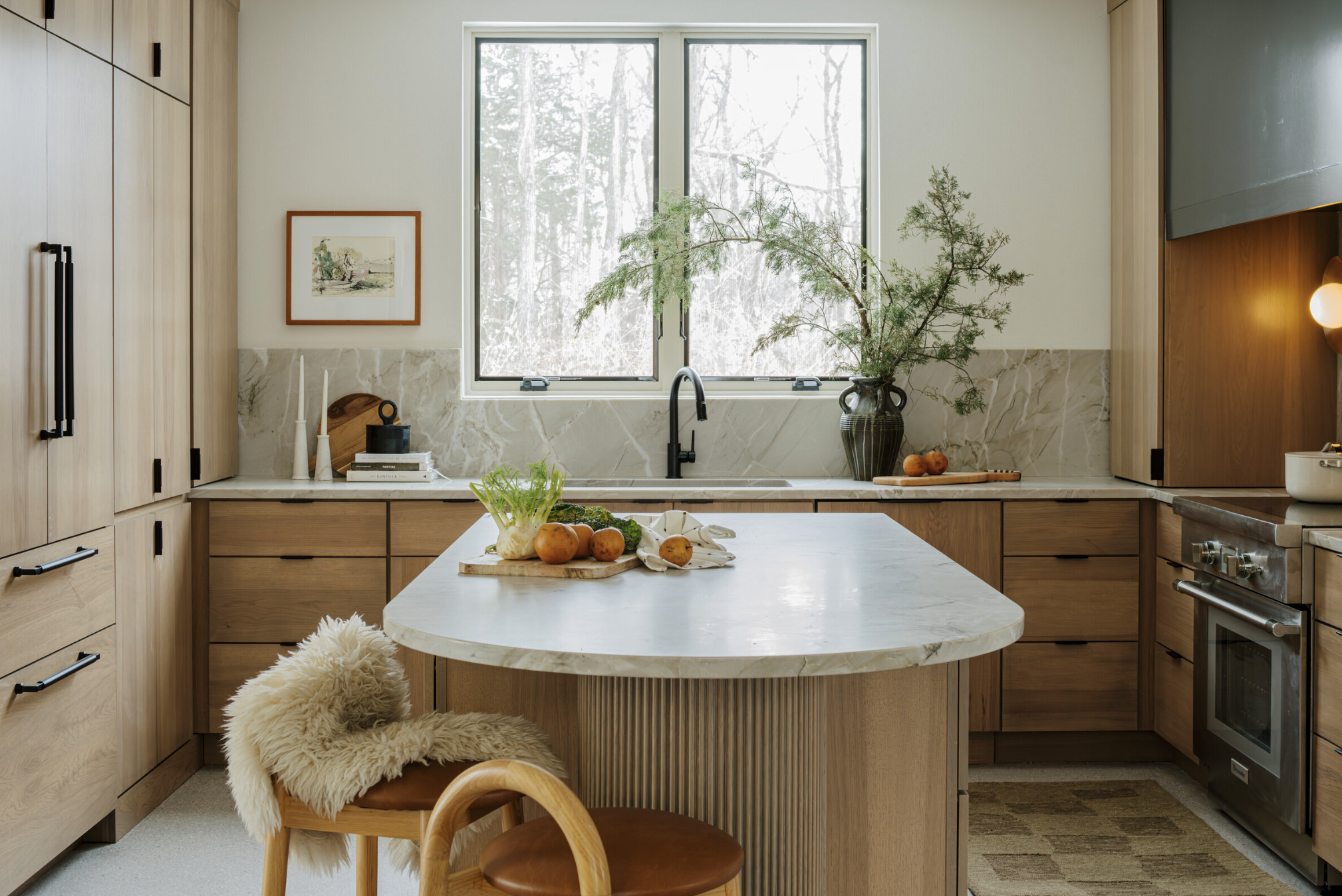
Highlighted project photos designed by: Sarah Wolfgang and Wolfgang Studio
Cabinetry: Countryside Cabinets
Photography: Katie Evans